

In 1900, the American company Hill Bros was the first to package coffee in airtight tins, thereby extending the product’s shelf life.
A Japanese chemist, Satori Kato, patented a process for producing instant coffee, although it has recently been discovered that the inventor was actually the New Zealander David Strang. Instant coffee made coffee consumption easier and cheaper, albeit at the expense of quality.
In Europe, innovations have mainly concerned coffee consumption outside the home. Many have claimed credit for the first espresso machine, but it was Luigi Bezzera who is considered the inventor, having patented it in 1901.
These machines made it possible to prepare a large number of cups of coffee in a short time, all with the same strength. But what made espresso a concentrated coffee served in a small cup, topped with a soft crema, was Achille Gaggia’s invention: a large spring capable of generating very high pressure.
ITALIAN-STYLE ESPRESSO, BUT NOT ONLY…
When you say ‘coffee’, you mean Italy – or, to be precise, Italian espresso. That’s because what sets our way of drinking coffee apart from others is precisely how it’s made. Coffee is now an integral part of our culture: film actors drink coffee whilst chatting with friends or strangers met at the bar; songs mention it, as do writers and playwrights.
In Naples, they filter coffee using a ‘cuccumella’, whilst in Milan they prefer espresso. And at home? Mr Bialetti took care of home use when, in 1933, he invented the moka pot, where the water, brought to the boil, rises from the bottom. No matter which method we use to make it, for us coffee is a magic potion that gets our day off to a good start, the welcome break at work, the perfect invitation to build relationships without seeming intrusive; in short, it is one of our cultural symbols.
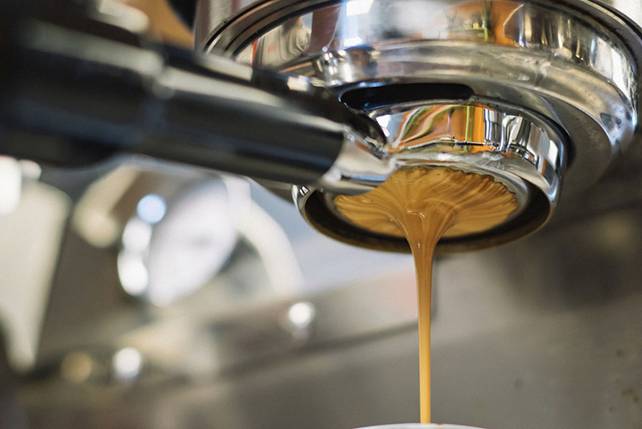
When talking about coffee, we cannot overlook the world of Starbucks, the Seattle-based company led by Howard Schultz. If we compare the way this multinational makes and serves coffee with our Italian conception of coffee, we find very few points in common.
What is certain is that Starbucks has paved the way for the spread of Speciality Coffee: high-quality green coffee beans that are roasted to bring out their full aromatic and flavour profile and brewed to precise quality standards.
According to the Speciality Coffee Association (SCA), “To be considered a speciality coffee, it must possess unique quality characteristics that make it, in a sense, an individual with a recognisable character.”
You might also be interested in...


Popular products
-
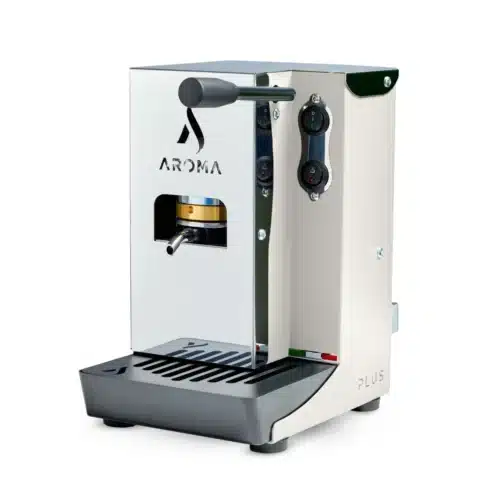 Espresso Plus Basic Machine
from 160,00 €
Espresso Plus Basic Machine
from 160,00 €
-
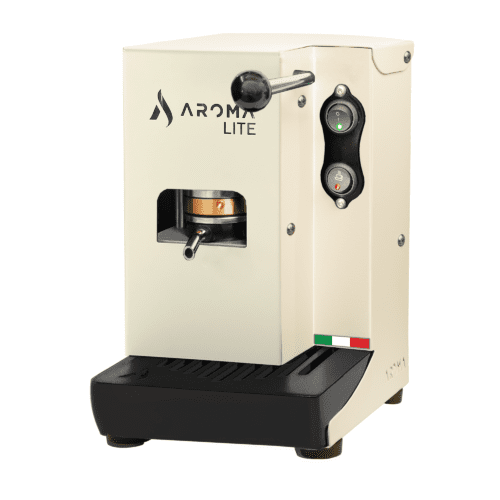 Aroma Lite espresso machine
from 155,00 €
Aroma Lite espresso machine
from 155,00 €
-
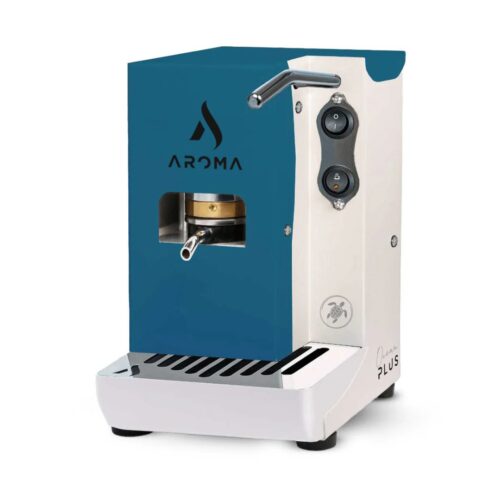 Espresso Plus Special Ocean Machine
195,00 € including VAT
Espresso Plus Special Ocean Machine
195,00 € including VAT
-
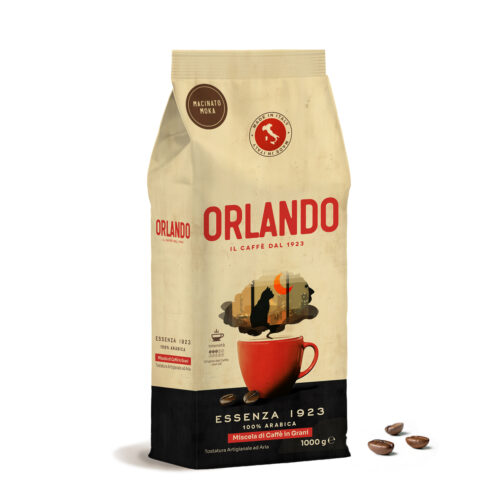 ESSENZA 1923 – 100% ARABICA ground
from 9,60 €
ESSENZA 1923 – 100% ARABICA ground
from 9,60 €