

The coffee plant belongs to the Rubiaceae family and grows in the equatorial belt, the region between the Tropic of Cancer and the Tropic of Capricorn. Its leaves are pointed and bright green, whilst its white flowers resemble jasmine in both shape and scent. It can grow to a height of 5–6 metres (Arabica variety) or 8 metres (Robusta variety).
Coffee berries are initially green, then turn yellow and finally red as they ripen, resembling cherries in shape. Ripening is linked to the amount of sugar present in the berry, and this determines the quality of the coffee.
Each fruit, known as a drupe or cherry, contains two beans covered by a membrane called the parchment and another, thinner inner membrane known as the silver skin. In some cases, a single round bean may develop, which is called a Caracolito or Pearl Coffee.
ARABICA OR ROBUSTA?
The Coffea genus comprises more than 100 species, but commercially speaking, the best known are Coffea arabica and Coffea canephora, better known as robusta.
COFFEA CANEPHORA
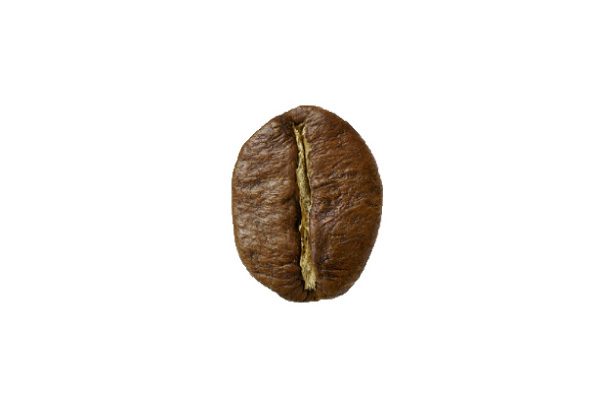
It was discovered in the Belgian Congo (now the Democratic Republic of the Congo) in 1800. This plant grows at lower altitudes than Coffea Arabica, in higher or less favourable temperatures, and is more resistant to disease.
This makes the production of Robusta coffee less costly, which is why it is regarded as a product with significant commercial potential.
The flavour is bitter and woody, with notes of burnt rubber, and the caffeine content is very high. It has low acidity and is full-bodied on the palate. The bean is round in shape and has a straight groove running down the centre.
COFFEA ARABICA
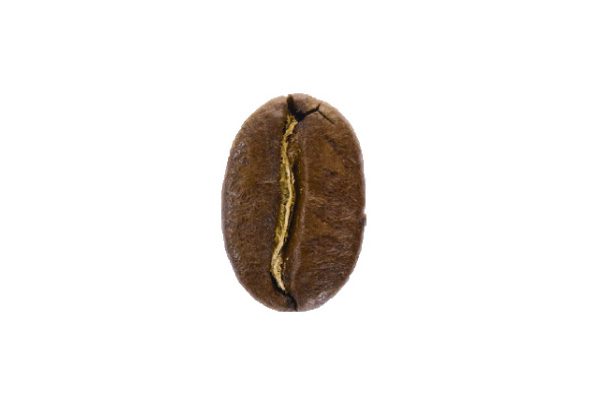
It grows at high altitudes (between 900 and 2,000 metres above sea level) and requires a constant temperature of 20°C. It is less hardy than Coffea Canephora; for example, it cannot withstand drought, continuous rain, frost or strong winds.
It is a very high-quality coffee, accounting for three-quarters of global production, although it requires more careful processing at a higher cost.
Sweet flavour, rich and fruity aroma. It has a low caffeine content. The bean is elongated and oval in shape, flatter than the Robusta bean, and has an ‘S’-shaped groove running down its centre.
You might also be interested in...


Popular products
-
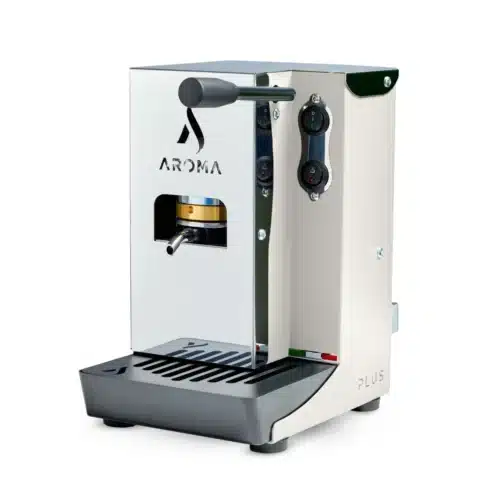 Espresso Plus Basic Machine
from 160,00 €
Espresso Plus Basic Machine
from 160,00 €
-
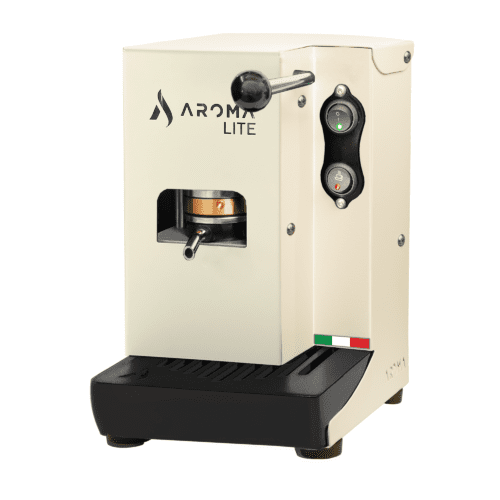 Aroma Lite espresso machine
from 155,00 €
Aroma Lite espresso machine
from 155,00 €
-
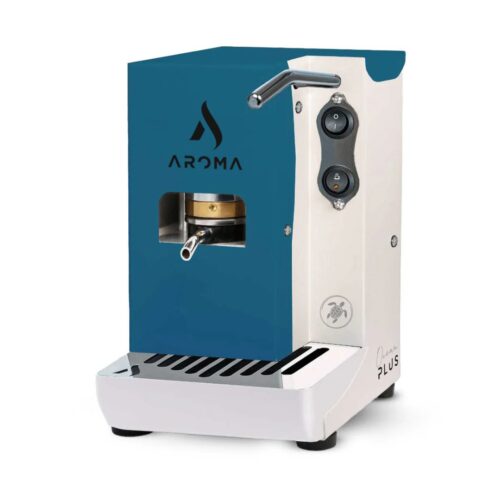 Espresso Plus Special Ocean Machine
195,00 € including VAT
Espresso Plus Special Ocean Machine
195,00 € including VAT
-
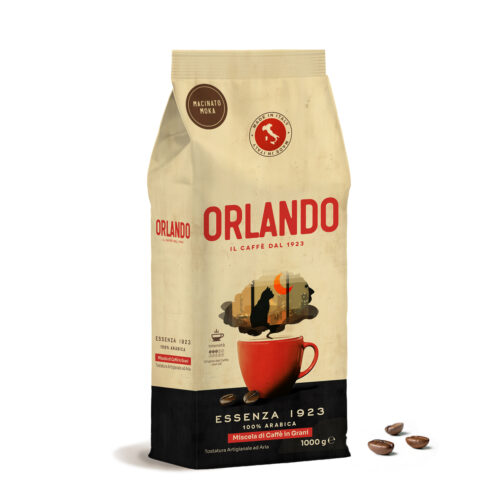 ESSENZA 1923 – 100% ARABICA ground
from 9,60 €
ESSENZA 1923 – 100% ARABICA ground
from 9,60 €